Understanding PPE and Safe Working Practices
A practical guide to PPE and safe working practices across the green industry, from everyday wear to specialist kit.
Personal protective equipment (PPE) is the last line of defence after good planning and safe systems of work, but it is an essential one. Understanding what to wear, and when, keeps you safe and working comfortably.
The hierarchy of protection
PPE sits at the bottom of the safety hierarchy: eliminate the hazard first, then control it through safer methods, and only then rely on PPE. No amount of protective clothing makes an unsafe task safe, so PPE is always a complement to good practice, not a substitute.
Everyday PPE for gardeners and landscapers
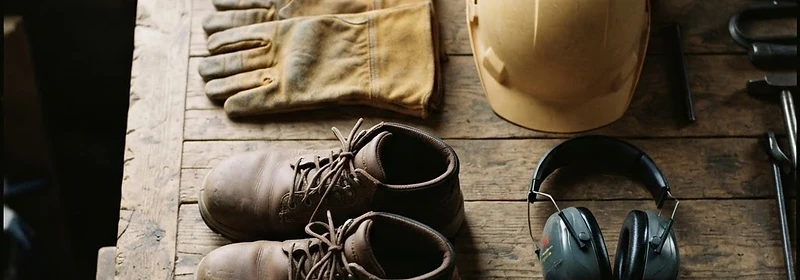
- Sturdy safety boots with toe protection and good grip.
- Gloves suited to the task, thorn-proof for planting, cut-resistant for some tools.
- Eye protection when strimming, hedge-cutting or using power tools.
- Hearing protection around mowers, chippers and saws.
- High-visibility clothing near roads, on sites and around moving plant.
- Sun protection — hats, long sleeves and sunscreen for long outdoor days.
Specialist PPE
Different tasks carry specific requirements:
- Chainsaw work requires Type C chainsaw trousers, boots, gloves, helmet with visor and ear defenders, all to the relevant standard.
- Chemical application requires coveralls, nitrile gloves and faceshields as specified by the product label.
- Powered access requires a harness with an energy-absorbing lanyard.
Using the correct PPE for the correct task is non-negotiable in these areas.
Looking after your PPE
PPE only works if it is in good condition. Inspect it regularly, replace damaged items, keep it clean, and store it dry and out of direct sunlight. A cracked helmet or torn trousers offer little protection.
Fit and comfort
PPE that fits poorly is uncomfortable and may not protect properly. Take time to choose items that fit and are comfortable enough to wear all day. Workers who are comfortable keep their PPE on.
What PPE does not do
PPE does not make up for missing training or certification, and it does not remove the need to plan the job safely. Treat it as one layer in a wider safe system of work.
A note on accuracy
PPE standards and product requirements change. Confirm the correct specification for any certified task with the relevant awarding body and the equipment manufacturer before use.
Relevant job opportunities
All jobsBuild the skills employers want
Explore qualifications and training that support a career in the green industry.
- RHS Level 2 Certificate in Practical Horticulture — Royal Horticultural Society · 2
- RHS Level 3 Certificate in Horticulture — Royal Horticultural Society · 3
- NPTC City & Guilds CS30 — Chainsaw Maintenance & Cross-Cutting — City & Guilds Land Based Services · 2
Related career advice





Ready to take the next step?
Create a free profile to apply for roles and get found by specialist employers.